




The failure point is the moment between appointments when you think, "I should probably reach out to the Hendrickses," and then a showing runs long and the thought is gone. This page is about past client follow up for real estate agents who don't want to rebuild that habit from scratch every busy season. It starts with a touch plan you can actually keep, with a free download, then covers how The Librarian fits in and what to remember about each person.
A downloadable 12-month touch plan
The download is a month-by-month plan; the four touches below are its backbone. Each one is small enough that you'll actually do it.
- Home anniversary. A note near the date they closed. "One year in the house this month. Hope it's treating you well." Home anniversary reminders are an easy habit to keep because the date is fixed and the sentiment is genuine.
- Birthday. A short message. Not a card from a template; a real sentence.
- Market update. A quick note on what's happening in their neighborhood, ideally with a detail specific to their street. This is where you're useful, not just present.
- Check-in. No agenda. How's the renovation going? How's the dog? This is the touch that keeps you a person rather than a mailing.
You may have heard of the 33 touch plan, which spreads 33 contacts across a year. The exact number matters less than a rhythm you keep. If four touches a year is what you'll actually do, four is the right plan.
The free download spreads one small touch across each month of the year, plus the home anniversary and birthday that follow each client's own dates.
If you want wording for any of these, our follow-up templates for real estate agents page has drafts you can lift.
How it works
Say what happened. After a call, a coffee, a chance meeting at the grocery store, you leave a short voice note. "Ran into Sarah's mom at the store. Sarah's sister is relocating next spring and might need a referral to an agent out there." That's it. No form, no typing.
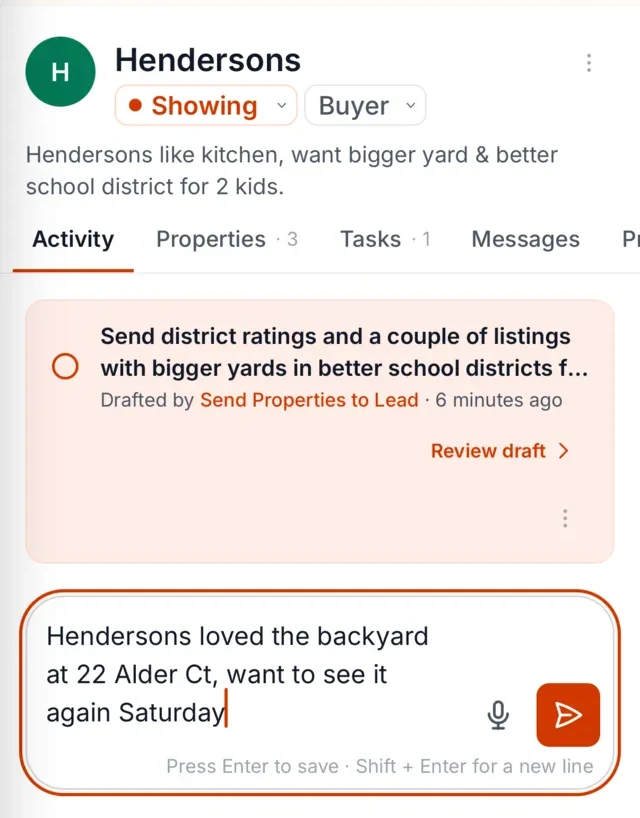
The Librarian files it. Your note is transcribed and attached to the right person, so "Sarah's mom" becomes a record on Sarah's file, with the detail about her sister intact. This is the part of real estate contact management that usually falls apart: the information exists, but it lives nowhere useful.
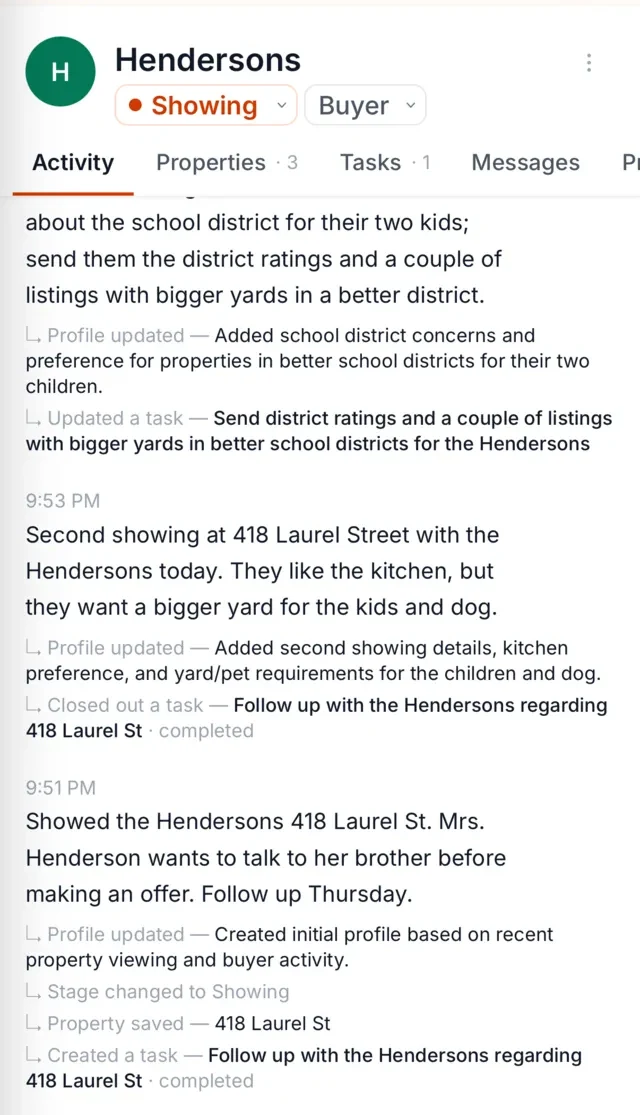
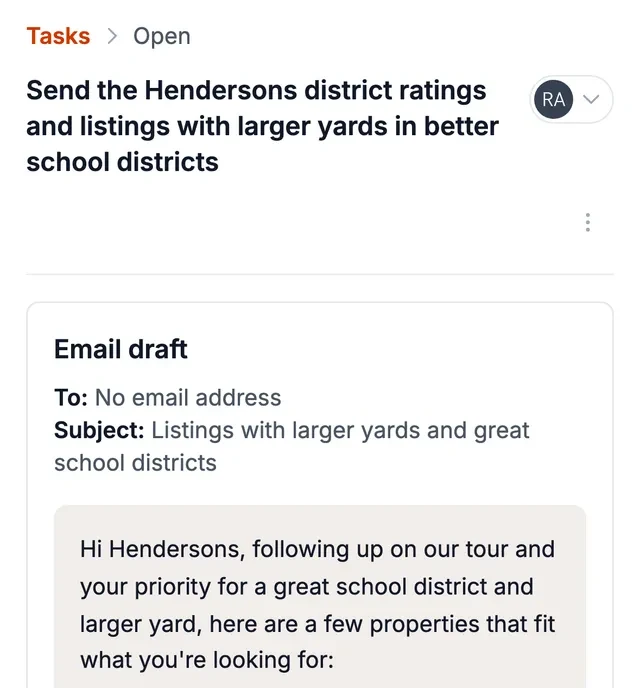
You hear about it at the right time. When the follow-up you asked for comes due, The Librarian reminds you and drafts it. You review it, adjust the wording, and send it. By default, you approve each message before it goes out.
Why your sphere is the cheapest source of business
For many agents, repeat clients and referrals are a steady source of business, and the cost is attention rather than advertising.
Real estate farming, by contrast, means picking a neighborhood and marketing to strangers until some of them know your name. It works, but it takes time and money before it pays. Working your sphere takes the same consistency with people who already know you.
The catch is that consistency. Many agents intend to stay in touch with past clients and then discover, around the time they need a deal, that they haven't spoken to most of them since closing. Real estate database management tools help you store contacts. They don't know a specific person is worth calling this week unless you typed it in.
What to remember about each client
The details that matter in a relationship are rarely the ones a form was built to hold. The kids' names, sure, but also the dog who doesn't like men in uniforms, the plan to finish the basement when the eldest goes to college, the fence dispute with the neighbor.
Say it once, as a voice note, and it stays attached to the right person. Six months later, when you're about to call, you'll know what to ask about. That turns a check-in into a conversation, which is what keeps you at the front of their mind when someone they know mentions buying or selling.
This is also the honest answer to how to get referrals in real estate: people tend to refer the agent who remembered the dog's name, not the agent with the best postcard.
Asking for referrals
Knowing you should ask is different from knowing how. If you're wondering how to ask for referrals in real estate without sounding like a script, keep it short and specific. Three options:
The direct one. "You've been great to work with. If anyone you know is thinking about buying or selling this year, I'd love to take good care of them."
The helpful one. "Do you know anyone who's been talking about moving lately? I'm happy to answer questions for them even if they're six months out."
The casual one. "By the way, I never ask, but I should: if a friend needs an agent, I'd be glad if you'd send them my way."
The best moment to ask is right after something went well: a smooth closing, a helpful answer, a good showing. When one of those happens and you say it in a voice note, The Librarian can remind you to ask while the moment is still warm.
How The Librarian shows who needs you
Instead of a list of everyone, The Librarian works out who needs you: the client whose home anniversary you mentioned, the person you said you'd follow up with, the prospect who mentioned a spring move.
Then it drafts the follow-up so the work left is deciding whether the wording sounds like you. From there, follow-up reminders for real estate agents keep the rhythm going, and your sphere stops depending on your memory on a busy Thursday.
Works alongside your tools
The Librarian works alongside the tools you already use and keeps its notes attached to the right people. It connects directly to BoldTrail CRM, Gmail, Google Calendar, Google Contacts, WhatsApp and SMS. For specifics, see how it works with your CRM and your email and calendar.
FAQ
How often should I contact past clients?
A reasonable rhythm is a few touches a year: a home anniversary, a birthday, a market update, and one check-in with no agenda. What matters most is consistency, not volume, so pick a cadence you can keep in your busiest season.
What is a sphere of influence?
It's the network of people who already know you: past clients, friends, family, neighbors, and acquaintances. In real estate it's often the least expensive source of business, because the relationships already exist and just need maintaining.
Farming a neighborhood vs working your sphere?
Farming means marketing to a geographic area full of strangers until they recognize your name. Working your sphere means staying in touch with people who already know you. Both take consistency, but your sphere usually pays off sooner.
What gifts are appropriate?
Small and personal beats large and generic. A closing gift that relates to the house, a note on an anniversary, or something tied to a detail they mentioned, like their dog or a renovation, works better than branded swag.
Does it work with my contacts and CRM?
It keeps your Google Contacts up to date, with notes on where you met each person, what they want and what comes next. It works alongside your CRM: tell it how a conversation went and it prepares a summary ready to add. See how it works with your CRM.